Reframing Diet Culture: Taking Up Space in Recovery
Written by Izzy Gallanar, Kirsten Haglund Foundation intern
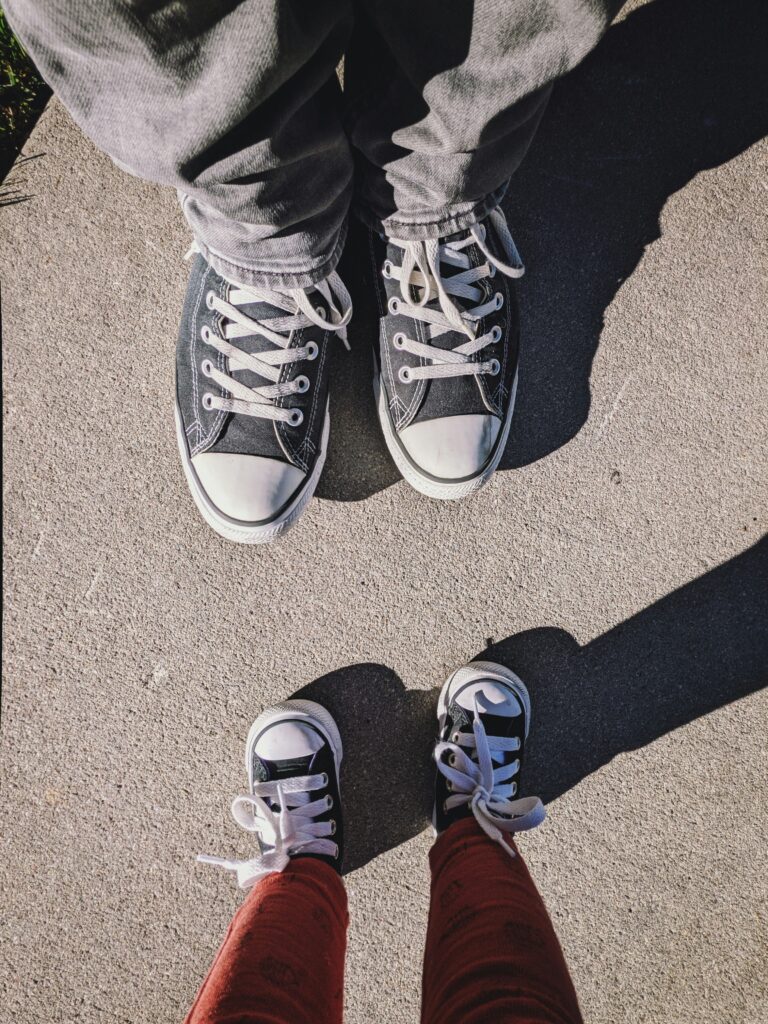
In eating disorder recovery, we learn about the concept of taking up space. Allowing ourselves to physically and emotionally take up space can support us in creating distance from the eating disorder and movement toward connection with ourselves. Our authentic self (or healthy self) recognizes that our value is intrinsic, not exclusive to the size of our bodies or our relationship to food. In recovery, we want to work toward becoming empowered in the space we take up: giving ourselves permission to communicate our needs, embracing our authenticity, and allowing others to see all the parts that make us whole.
The eating disorder voice often carries the underlying message about shrinking the self, both physically and emotionally, to create some (often false) sense of safety, security, or comfort. What does this look like? You might make yourself small through engaging in behaviors, minimizing and diminishing your needs, or giving so much to others that yourself is neglected. Recovery may be about finding safety in taking up space—emotionally, physically, and spiritually.
Reframing Diet Culture
In an era where diet culture is ubiquitous, challenging your eating disorder may feel especially difficult. That makes sense—it’s difficult to reframe your thoughts in a world that actively goes against the values of recovery. Lean into the values of your healthy self to help you combat the eating disorder voice: “your healthy self will heal your eating disorder self.”1 And remember, taking up space is an act of self-kindness, compassion, and liberation.
As summertime approaches and the weather gets warmer, the media tends to amplify the cultural message that shrinking and changing our bodies will make us happy. This sentiment conflicts with the fundamental principle of eating disorder recovery—that our value and worth are already inherent to ourselves, not bound to our bodies. Therefore, what does it look like to take up space in the summer amidst harmful narratives from diet culture?
How to Take Up Space in Recovery
Honor Hunger Cues
- Nourishment is an essential aspect of life. It gives us the energy we need to get through our day, sleep restfully, and stabilize our moods. It can be a fun social experience that connects us with others.
- Fueling our bodies is an act of resistance against diet culture! Gently give yourself permission to honor what your body needs. When we listen to what we need, we let ourselves take up space.
Take Up Space Emotionally
- Allow yourself to feel your emotions. What are they communicating to you? What do you need to kindly take care of yourself right now?
- Share how you’re feeling. Vulnerability may lead to a deeper connection with others. When you share your experience, you practice taking up space!
Seek Support
- Shift your social media toward recovery-oriented posts. Engage with content that goes against diet culture and celebrates body diversity and neutrality.
- Reach out to professionals—therapists, dietitians, coaches, and support groups. You are not alone. It may feel more comfortable to share your experience with others who feel similarly. This is an excellent opportunity to allow yourself to emotionally take up space.
Redefine Self-Worth
- You are so much more than a body, the weight on the scale, or the way your clothes fit. You are inherently enough by the nature of your humanness.
- Remember that diet culture is capitalistic, not an indicator of your value!
- Lean into your authentic self’s values, not the eating disorders’ values. Creativity, joy, gratitude, adventure, and strength are worth celebrating and foster fulfillment in the self, not just the body.
Reclaim Your Voice
- If you’re comfortable, it can be empowering to fight against diet culture. That may be in individual acts that prioritize your recovery, or speaking out about the harms caused by diet culture. This is a great way to practice taking up space!
- Challenge your fatphobic thoughts that may have been warped by diet culture. Question your own beliefs about the relationship between morality and body size.
- Use your voice and your experience to destigmatize eating disorders and recovery.
Taking up space may feel fearful and overwhelming, especially when the eating disorder has thrived on the desire to feel and be small. Remember that space is yours to take up—you deserve to be unapologetically seen by others, you are worthy of recovery, and you will always be enough!